Table of Content
- The Quest for Engagement
- The Power of Intrinsic Motivation
- The Need for Achievement
- The Role of Rewards and Reinforcement
- The Dopamine Rush
- Positive Reinforcement
- The Appeal of Competition
- The Competitive Edge
- The Social Connection
- The Principle of Autonomy
- Empowering Choice
- A Sense of Ownership
- The Engaging Power of Games
As the digital world continues to evolve, a new concept called gamification has gained significant traction. Gamification entails incorporating game-like elements into non-gaming settings, transforming ordinary tasks into engaging and enjoyable experiences. What drives this phenomenon at its core? Which psychological mechanisms fuel user engagement and motivate individuals to interact with gamified systems? In this exploration, we will delve into the underlying psychology behind the remarkable effectiveness of gamification.
The Quest for Engagement
The Power of Intrinsic Motivation
Gamification is centered around the concept of intrinsic motivation, which means being internally driven to engage in an activity because it provides inherent enjoyment, rather than seeking external rewards or avoiding punishments. Games are particularly effective at leveraging this intrinsic motivation by making tasks inherently enjoyable and fulfilling.
The Need for Achievement
Gamification taps into a powerful psychological motivator - the human drive for accomplishment and acknowledgment. By providing rewards, badges, or points for completing tasks, games fulfill this need and allow users to feel a sense of achievement and recognition.
The Role of Rewards and Reinforcement

The Dopamine Rush
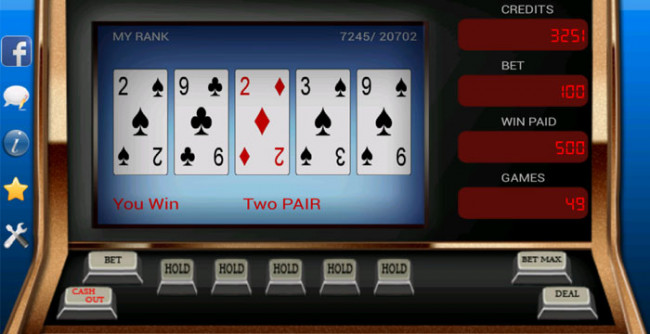
The reward system in the brain is crucial to gamification. When users are rewarded with points or badges, their brains release dopamine, a neurotransmitter that brings pleasure and motivation. Platform’s offers like Tower.bet casino also motivate people to play, adding excitement and prolonging their gaming sessions. This rush of dopamine keeps users engaged to keep participating in a gamified system.
Positive Reinforcement
Gamification relies on positive reinforcement to incentivize desired behaviors. By rewarding users for their accomplishments, gamification not only acknowledges their efforts but also motivates them to continue performing the desired actions. The promise of rewards serves as a powerful driver for engagement and motivation.
The Appeal of Competition
The Competitive Edge
Incorporating elements of competition, gamification prompts users to compete against others or themselves. By harnessing the human desire for recognition and success, features like leaderboards and rankings motivate users to strive for accomplishment.
The Social Connection
In gamification, competition creates a sense of social connection. Users have the opportunity to engage with friends, family, or a wider community, which enhances the overall experience. This social interaction increases motivation and engagement as users feel part of a collective endeavor.
The Principle of Autonomy
Empowering Choice
Autonomy and the freedom to make choices are highly valued by users. Gamification offers users a sense of control, allowing them to select their own paths, challenges, and rewards. This autonomy is a crucial psychological factor in sustaining user engagement.
A Sense of Ownership
In gamification, a crucial psychological motivator is the sense of ownership individuals feel over their progress and achievements. When users have control and feel a personal connection to their accomplishments, they are more likely to engage in the activity. This autonomy and ownership greatly enhance the overall experience.
The Engaging Power of Games
Gamification taps into basic psychological principles to enhance user engagement. By incorporating elements like rewards, competition, autonomy, and intrinsic motivation, gamification turns ordinary tasks into enjoyable and captivating experiences. Whether individuals are striving for better fitness, pursuing educational growth, or simply seeking entertainment, the psychology behind gamification demonstrates its effectiveness in engaging and motivating people.
As society becomes more receptive to this interactive method, the influence of gamification on both industries and individuals is expected to expand. By incorporating game elements into tasks, it enhances enjoyment and satisfaction in achieving objectives. Exploring the psychology behind gamification not only offers fascinating insights into human behavior but also provides a valuable tool for creating captivating and motivating experiences in various facets of our lives.